
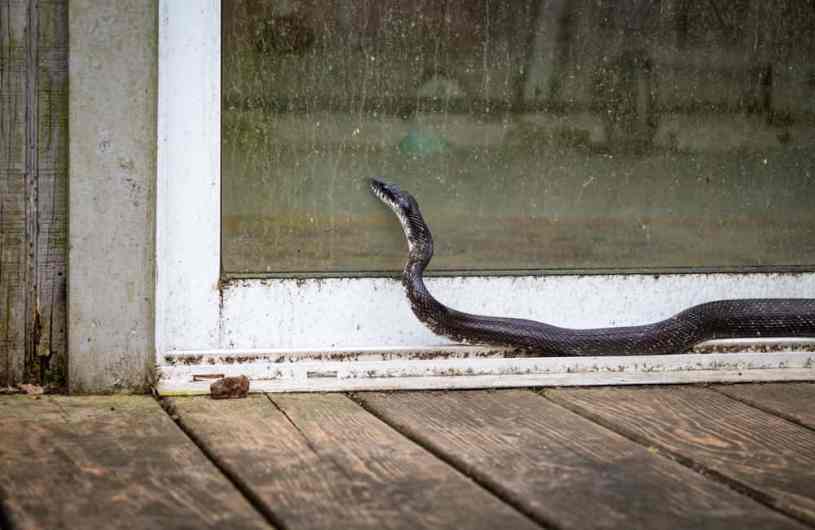
For residents in rural, wooded, or desert environments, the beauty of the natural landscape often comes with an unwelcome neighbor: snakes. While most snake species are harmless, the presence of venomous varieties poses a genuine threat, turning the simple act of stepping into the yard or opening a garage door into a moment of anxiety. Snake fencing a home is not about eliminating every snake from the ecosystem; it is a strategic and systematic process of making your immediate property unattractive and inaccessible to these reptiles. It involves modifying the habitat around your home and sealing the structure itself, creating a secure perimeter that ensures safety without disrupting the local wildlife unnecessarily.
The core principle of snake-proofing is simple: snakes are looking for two things—shelter and food. By eliminating easy access to cool, dark hiding spots and removing their primary food sources (rodents), you dramatically reduce the likelihood of a snake taking up residence on your property. This requires a dual approach that addresses both the exterior landscaping and the integrity of the home’s structure.
Landscaping as a First Line of Defense: Removing Attractive Habitat
A snake-proof yard is a tidy yard. Snakes are cold-blooded and seek refuge in places that offer shade, moisture, and insulation from extreme temperatures. Your landscaping choices are the first and most critical line of defense.
- Eliminate Hiding Places: This is the most important step. Remove all unnecessary clutter from your yard, including piles of scrap lumber, construction debris, old tires, and unused garden equipment. These items create the perfect, dark, sheltered hiding spots for snakes to rest and digest.
- Manage Mulch and Ground Cover: Avoid large, deep piles of mulch, pine straw, or leaf litter immediately adjacent to the house foundation. While light layers of mulch are fine, thick layers retain moisture and warmth, making them attractive to snakes. Replace dense, ground-hugging shrubbery and ivy near the foundation with low-growing, less dense plants. Leave a clear, exposed strip of bare ground or gravel immediately around the home.
- Yard Maintenance: Keep grass and weeds meticulously short. Snakes prefer to travel and hunt in tall vegetation where they feel concealed. A closely mowed lawn offers no such cover, making them feel exposed and encouraging them to move through quickly rather than linger.
- Firewood Storage: Store all firewood on a raised rack, elevated at least 18 inches off the ground, and locate the stack as far away from the house as possible. The crevices in a woodpile are prime snake habitat.
Structural Integrity: Sealing the Home
Snakes are remarkably adept at squeezing through small spaces. Any gap wider than a pencil (about a quarter-inch) can serve as an entry point, especially for smaller snakes seeking cool shelter. Sealing the home’s structure is essential.
- Foundation and Vents: Walk the entire perimeter of your home and inspect the foundation. Use concrete patching compound, mortar, or metal flashing to fill any cracks, gaps, or holes in the foundation, cellar walls, and around utility lines (pipes, wires, cables). All foundation vents and attic vents must be covered with heavy-duty, rust-proof wire mesh (quarter-inch hardware cloth is ideal). Do not use plastic mesh, as snakes can push through it.
- Doors and Windows: Ensure all exterior doors—including the front, back, and garage doors—have tight-fitting door sweeps or thresholds. Check that weatherstripping is intact. A common entry point is the gap beneath a garage door, especially at the corners where the door tracks meet the floor.
- Basements and Crawl Spaces: If your home has a crawl space, ensure the access door is sealed tightly and kept locked. Crawl spaces are dark, damp, and offer ideal snake habitat. If possible, cover the ground within the crawl space with a vapor barrier and eliminate any debris or standing water.
Conclusion: Constant Vigilance and Respect
Snake-proofing your home is a matter of consistent vigilance and respect for the natural environment. It is an ongoing maintenance project, not a one-time fix. By systematically eliminating the things snakes seek—shelter, moisture, and food (rodents)—and by ensuring your home’s perimeter is sealed, you create an environment that actively encourages snakes to pass through or stay away entirely. This commitment to habitat modification and structural integrity is the most effective way to ensure the safety of your family while coexisting in a high-risk natural area.
 Home Designs Tips