
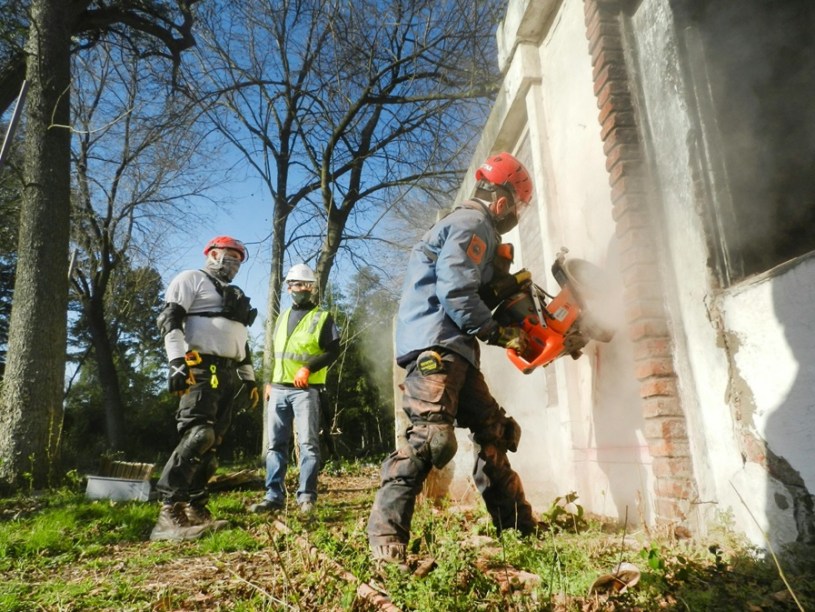
Cutting into a wall or prying up old flooring looks easy on video, but tiny cuts, flying chips, and invisible dust arrive the instant you swing a hammer. Dressing the right way is your first guard against a ruined weekend—and a possible trip to the clinic.
The good news is that most protective gear costs less than a single urgent-care visit and lasts through many projects. This guide walks you, the home-DIY beginner, through simple clothing and equipment choices that keep you safe while you work. Look for anti‑fog coatings if you wear them with a respirator—clear lenses prevent the temptation to lift gear mid‑cut.
Debris Dangers You Can’t See
You will see the bigger debris – broken wood, rusty nails, sharp metal – but the sneakiest hazards can float or hide. Drywall dust has silica, which can scar your lungs; lead paint can flake and becomes powder when sanded; and mold spores can migrate from wet sheet-rock while you’re cleaning up the renovation.
While any small job can put these hazards in the air, the threats can linger for hours after cutting ends, especially in small rooms that don’t have fans. Take a moment to tape plastic over the doorways, and set out a box fan blowing air outside, while running a shop-vac to capture the dust in a filter, not in the air you breath.
Visit https://www.federalregister.gov/documents/2024/12/12/2024-29220/personal-protective-equipment-in-construction to learn more about PPE in construction.
Best Gloves for Sharp Edges
Your hands do the guiding, lifting, and catching, so protect them first. You need more than a thin cotton pair when slicing siding or shifting broken concrete. (You’ll notice the crews doing Spokane debris removal layer similar gloves when tackling tight basements.) Look for models labeled “cut-resistant,” often built with Kevlar threads or tough nitrile-coated palms that grip dusty tools without slipping.
- Light demo tasks: Lightweight leather or synthetic leather with padded palms block splinters while letting you feel screws and switches.
- Heavy demolition and concrete: ANSI cut-level 4–5 gloves protect against jagged rebar and sheet metal that can close like scissors on bare skin.
- Wet or chemical areas: Nitrile dipped gloves help you feel oils, solvents and other possible hazardous materials you will discover behind those old walls.
Make sure to check gloves every work day. Little holes can grow quickly once grit works its way into the stitching, do not hesitate to wash dust or grit from gloves with mild soap, especially if they are puff jackets if nothing else for comfort as a fresh pair of gloves is cheaper than a tetanus shot and days away from work too.
Do Dust Masks Really Work?
A basic cloth face coverings offers some protection against large droplets and does not offer any type of protection against microscopic silica or led. If you are doing construction waste work, you’re better off with a fitted N95 mask or ideally, a half-face respirator with P100 filters, both types of masks mask will better protect you from airborne, potentially harmful particles. For example, a half-face respirator with P100 filters, blocks at least 95-99% of airborne particles.
Make sure the mask is molded tightly to your nose and shave off any stubble that could break the seal. Change the filters as often as necessary, when the mask requires excessive breathing or after a whole day of working with dust. And remember, respirators do not protect you if they drain started – dust is suspended in the air long after the saw has not powered down.
Protecting Your Eyes and Ears

Wood chips can bounce out from under glasses, and a sudden clang of metal can leave your ears ringing for a week. Wraparound safety goggles (marked Z87.1) will protect the soft tissue of your eye from the sides, and a full-face shield will block overhead sparks from grinding steel. Look for anti‑fog coatings if you wear them with a respirator—clear lenses prevent the temptation to lift gear mid‑cut.
Combine your eye gear with foam fitted earplugs or over-earmuffs rated at 25dB or more use the hearing protection to bring the noise from your hammer drill below injury levels. Wear different goggles and muffs until you get so comfortable you forget you’re wearing them: comfort equals compliance, and hearing loss is painless and permanent.
Cleanup Gear Checklist
Finishing a project safely means cleaning up safely, too. After you mute the tools, suit up one last time to bag debris and vacuum dust. Gather these items before sweeping starts so you’re not hunting for gear with dirty hands:
- Thick contractor bags (3 mil or heavier) that won’t split around sharp rubble
- Long-sleeve shirt and tear-resistant pants you can wash hot—jeans beat shorts every time
- High-top work boots with puncture-resistant soles to step over hidden nails
- Tight-cuff gloves reserved only for post-demo handling—never reuse painting gloves for cleanup
- Disposable coverall and hood for insulation or rodent-dropping work
- Magnet rake to snag nails and screws the vacuum misses
- Plastic bin labeled proper disposal for batteries, bulbs, or old chemicals needing special handling
When the area looks clear, run the magnet one more time, then mop or damp‑wipe surfaces so fine dust doesn’t drift back onto furniture. A HEPA‑rated shop‑vac (http://www.leadsafevermont.org/download/Vacuum%20Facts.pdf) captures the particles your household vacuum would simply exhaust. Launder work clothes separately and shower before hugging kids or pets—good waste‑management habits protect the whole household.
Conclusion
It might take you an extra ten minutes to don the proper equipment before getting the job done, but a little bit of time invested will save you a lot of pain and expensive medical bills! Think of your PPE as the cheapest tool in your toolbox. It is responsible for protecting all of your other physical tools…your body!
Set a reminder every six months to inspect and replace worn items so they’re ready when inspiration strikes. Make sure the equipment fits, replace any equipment that is worn, and have an extra set for fellow workers and helpers. With the right clothing, proper training, and common sense, you can turn every job from a horror story into a story of pride.
 Home Designs Tips