
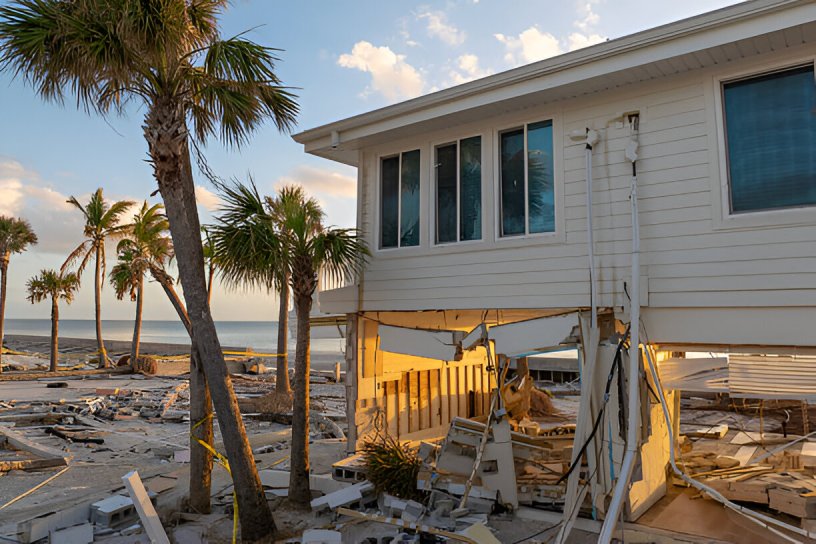
Following a significant storm or flood that has affected Florida, most often, homeowners have to deal with a tough reality: there is a considerable amount of chaos and confusion after any flood and wind damage.
In addition to that, one has to deal with negotiations with the insurance firms. What kind of damage have you encountered can be the difference between a successful and unsuccessful claim procedure.
If you are interested in seeking help and support to assess and repair all your damage caused by the storm, consider hiring a wind and water damage insurance contractor such as Alpine Exterior Contractor. This is one of the most trusted local experts in Florida who is known for navigating insurance repairs in a professional manner.
Wondering how to differentiate between flood and wind? That could make a huge difference to your claim. Here are some tips.
Key Differences in Damage Types
1. Wind Damage
- Tornadoes are a result of high-velocity winds or moving objects (debris).
Common signs:
- Missing or lifted roof shingles
- Broken windows and doors
- Structural damage from fallen trees
- Intrusion of water into houses using breached roofs (covered under wind claims).
2. Flood Damage
Consequences of increased levels of water (storms, overflow rivers, intense precipitation).
Common signs:
- Saturated floors and walls
- Foundation damage
- Mold growth from standing water
- Electrical system failures.
Insurance Coverage Rules
1. Wind Damage
- Typically covered under standard homeowner’s insurance
- May have a separate hurricane deductible (higher than normal)
- Includes interior water damage if wind caused the entry point.
2. Flood Damage
- Not covered by standard policies
- Requires separate flood insurance (NFIP or private insurer)
- Denied claims often happen when insurers blame flooding instead of wind.
Why the Distinction Matters
Insurance companies frequently dispute claims by:
- Arguing floodwater caused the damage (not wind)
- Downplaying wind-related structural issues
- Not doing inspections deliberately as a way of avoiding payouts.
For example:
- If wind rips off your roof and rain soaks your attic, that is wind damage.
- When a flood (or storm surge) damages your first floor, that is flood damage, and, unless you have flood insurance, it will not be covered by your home insurance.

Steps to Protect Your Claim
1. Document Everything
- Take photos/videos before cleanup
- Note timestamps (proves damage occurred during the storm).
2. Review Your Policy
- Check for hurricane deductibles
- Confirm flood insurance status.
3. Hire a Professional
A wind and water damage insurance contractor like Alpine Exterior Contractor can:
- Assess the true cause of damage
- Provide repair estimates insurers cannot ignore.
4. Challenge Lowball Offers
- Insurers may often try to undervalue all your repairs, so don’t accept their first offer
- Consider taking advice from a public adjuster or your attorney if you are denied your justified claim.
Final Thoughts
Nature has already created enough destruction to your property in the form of storms. So, why create more in the form of insurance fights? By understanding the wind vs. flood loopholes—and working with pros like Alpine Exterior Contractor—you can fight for the coverage you deserve.
 Home Designs Tips