
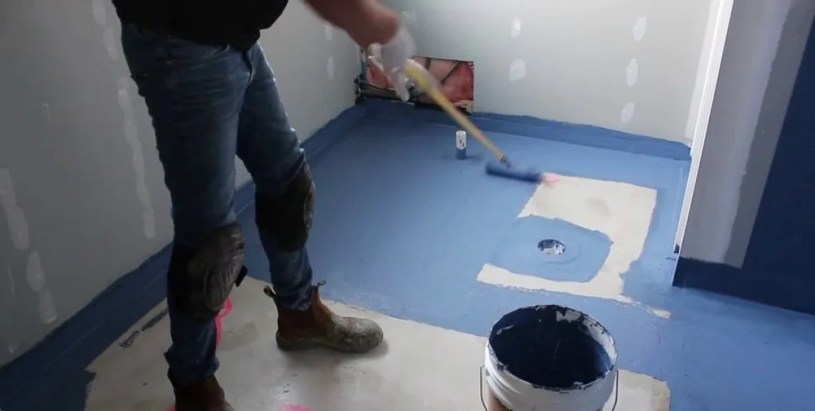
Bathroom waterproofing represents one of the most consequential yet invisible elements of our homes—a silent barrier that stands between the controlled chaos of our daily ablutions and the vulnerable structure of our dwellings. This hidden membrane exists beyond our usual awareness, its presence marked only by absence: the absence of water stains, of mould blooms, of structural decay that would otherwise announce its failure.
The Poetry of Prevention
There exists a particular kind of beauty in systems designed to prevent disaster—in the quiet, unglamorous work of keeping boundaries intact between elements that must remain separate. Unlike the gleaming taps or carefully selected tiles that draw our admiration, waterproofing membranes perform their crucial function entirely out of sight, their success measured precisely by their ability to remain unnoticed.
“In Singapore’s high-density urban housing, effective bathroom waterproofing prevents approximately 70% of neighbour disputes related to water damage,” notes a recent housing authority report. This statistic speaks not just to technical efficacy but to the social fabric that depends upon these invisible barriers functioning as intended.
The Liquid Boundaries of Domestic Life
Our relationship with water in domestic spaces contains a fascinating paradox: we invite water into our most intimate rooms, channel it through carefully designed systems, and then work diligently to ensure it remains precisely where intended. The bathroom represents the apex of this controlled relationship—a space designed explicitly for water’s presence yet simultaneously vulnerable to its wayward movement.
The consequences of compromised bathroom waterproofing manifest in numerous ways:
· Persistent dampness that breeds mould and mildew
· Water stains appearing on ceilings of rooms below
· Deteriorating grout and caulking that seems perpetually compromised
· Musty odours that resist normal cleaning efforts
· Warping or buckling of nearby wooden elements
· Efflorescence—white mineral deposits left as water evaporates
· Structural weakening of load-bearing elements
· Rising humidity levels affecting adjacent spaces
“What makes bathroom waterproofing failures particularly challenging is their gradual nature,” explains a Singapore waterproofing specialist with decades of experience. “The damage often progresses silently for months before becoming visible to occupants, by which time remediation costs have multiplied significantly.”
The False Economy of Inadequate Protection
Perhaps the most frustrating aspect of bathroom waterproofing failures lies in their entirely preventable nature. The cost differential between proper waterproofing during initial construction or renovation versus addressing the consequences of inadequate protection later can be staggering—often by a factor of ten or more when considering both direct repair costs and collateral damage.
Yet this investment in prevention remains difficult to value precisely because its success manifests as an absence: the absence of problems, of damage, of disruption. We rarely celebrate the disasters that don’t happen, the ceilings that don’t collapse, the mould that doesn’t grow.
The Cultural Geography of Water Management
Different societies have developed distinct approaches to bathroom waterproofing, reflecting both technological evolution and cultural attitudes toward water management. Singapore’s approach has been shaped by its unique combination of tropical climate, high population density, and predominantly vertical living arrangements.
“Traditional Singaporean bathroom design incorporated a slight gradient across the entire bathroom floor, with waterproofing throughout the space rather than limited to shower areas,” notes a heritage building specialist studying vernacular architecture. “This whole-room approach acknowledged that water moves unpredictably in bathroom environments.”
Contemporary approaches to bathroom waterproofing include:
· Elastomeric membranes that accommodate building movement
· Liquid-applied waterproofing systems creating seamless barriers
· Pre-formed shower trays with integrated waterproofing
· Waterproof cement additives for enhanced moisture resistance
· Specialised treatments for penetration points where pipes enter
· Vapour barriers preventing condensation within wall cavities
· Careful attention to thresholds and transitions between spaces
The Ecology of Dampness
When bathroom waterproofing fails, it creates microclimates within our walls and floors—hidden ecosystems where moisture-loving organisms thrive. Mould colonies establish themselves in these spaces, sometimes growing for years before their presence becomes evident through visible blooms or telltale scents. These biological consequences of water intrusion can affect not just our buildings but our health, particularly for those with respiratory sensitivities or compromised immune systems.
Understanding this ecology means recognising that bathroom waterproofing is not merely a construction detail but a public health consideration. The barrier between controlled and uncontrolled water in our homes is also a barrier between wellness and potential illness.
The Ethics of Maintenance
There exists a particular ethic embedded in the care of spaces we inhabit—an acknowledgment of our responsibility not just to present users but to future inhabitants. Proper bathroom waterproofing represents a commitment to this ethic of care, an investment in the longevity and integrity of our built environment.
“In Singapore’s context, where most people live in high-density housing, waterproofing becomes an act of consideration toward neighbours,” observes a community mediator who often handles disputes arising from water damage. “Your floor is someone else’s ceiling; your wall, someone else’s wall.”
The Mindfulness of Hidden Systems
As we construct and renovate our living spaces, we might do well to develop a deeper appreciation for the hidden elements that protect them—the carefully applied membranes, the precisely graded floors, the thoughtfully designed drainage systems that quietly perform their function day after day.
This appreciation represents a shift in perspective from viewing bathrooms merely as spaces of convenience and comfort to understanding them as complex technical achievements requiring ongoing attention and care. By valuing the invisible work of bathroom waterproofing, we acknowledge the profound interconnections between our private rituals and the collective structures that make them possible.
 Home Designs Tips