
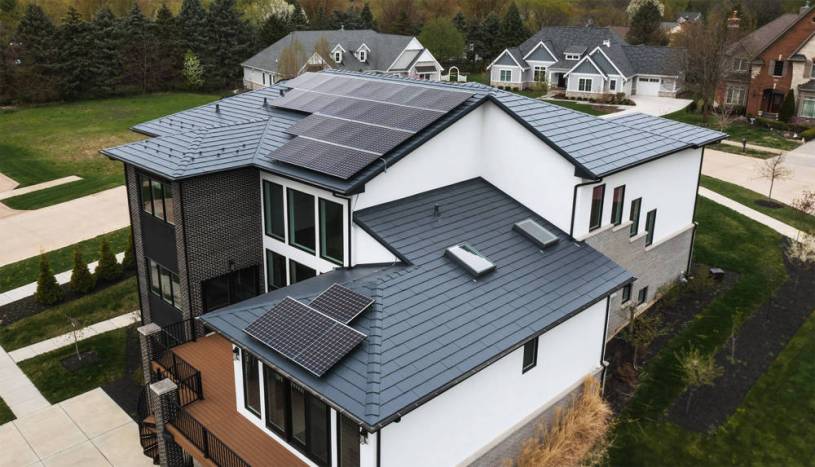
Thinking about a metal roof? Fantastic choice! Metal roofs offer unmatched durability, low maintenance, and a sleek, modern aesthetic. But when it comes to thickness, confusion reigns supreme.
We’ve all heard the mantra: “thicker is better,” right? But is that always the case with metal roofs? The answer, like most things in life, is a bit more nuanced. Here at [Your Company Name], we’re busting the myths surrounding metal roof thickness and helping you navigate the world of gauge to find the perfect fit for your home.
Prepare to shed the confusion and discover the truth about thin vs. thick metal roofs. Let’s debunk the misconceptions and ensure you choose a roof that’s both stunning and built to last.
Myth Busters: Thin vs. Thick Metal Roofing
We’ve all heard the saying, “the thicker, the better,” and that might hold true for your winter coat, but when it comes to metal roofs, things get a little more complex. Let’s debunk some common myths surrounding metal roof thickness and help you navigate the world of gauge to find the perfect fit for your home.
Myth #1: Thicker Metal Roofs Are Always More Durable
This one gets thrown around a lot, but it’s not the whole story. Think of your metal roof as a superhero team – thickness (gauge) is one powerful member, but it needs backup from other heroes to truly excel. Here’s why:
Material Matters:
Just like a superhero’s costume, the type of metal used (steel, aluminum) and its quality significantly impact durability. High-grade steel, even in a thinner gauge, can outperform a thicker roof made from lower-quality metal. Imagine a hero with a flimsy costume versus one made from advanced, weather-resistant materials.
Panel Power:
Don’t underestimate the design and construction of the roof panel itself. Imagine a superhero team with weak coordination – they wouldn’t be very effective. Similarly, a well-designed panel, like a standing seam roof with its interlocking system, offers exceptional strength even with a thinner gauge.
Installation Impact:
The most magnificent metal roof can be compromised by a clumsy sidekick (think bad installation). A qualified contractor ensures proper fastening and flashing, maximizing the lifespan of your roof, regardless of gauge. A well-installed thin metal roof is like a superhero team with a skilled strategist – they work together seamlessly for ultimate protection.
Myth #2: A Thicker Roof Is Invincible
Even the most legendary heroes have weaknesses. Just because a metal roof is thick doesn’t mean it can withstand every villainous weather event. Consider these realities:
Weather Warriors: Extreme weather events like hailstorms or powerful winds can damage any roof, thick or thin. Think of a meteor shower – even the strongest heroes need to dodge sometimes!
Installation Errors:
Improper installation, like loose fasteners or inadequate ventilation, can lead to leaks and premature roof failure, even with the thickest gauge metal. Imagine a superhero with a faulty gadget – it can be a major vulnerability.
Maintenance Matters:
All roofs, regardless of thickness, require regular maintenance to maintain their superpowers. Neglecting inspections and cleaning can lead to problems that a thicker gauge might not overcome. Even the best heroes need to stay vigilant and take care of their equipment!
Myth #3: Thinner Metal Roofs Can’t Withstand Snow and Hail
Thinking thin metal roofs are like rookies who can’t handle the harsh winter? Think again! Technology has come a long way, and advancements in metal roofing offer surprising resilience:
Strength in Alloys:
Modern metal roofs often utilize high-strength steel or aluminum alloys. These alloys are like the hero’s super-enhanced strength – they offer impressive resistance against snow and hail loads, even in thinner gauges.
Coatings Can Conquer:
Many metal roofs feature special coatings that enhance their resistance to dents and scratches, including those caused by hail. These coatings are like the hero’s protective shield – they provide an extra layer of defense against harsh elements.
Design Deflects:
The design of the roof panel itself can play a role in snow and hail resistance. For example, some panels have ribs or ridges that help deflect hail and prevent it from causing significant damage. Think of a hero’s suit with deflecting armor – it helps them avoid injury during battles.
Finding the Right Balance for Your Needs: Beyond the Gauge
We’ve thoroughly debunked the myths surrounding metal roof thickness, and by now, it’s clear that gauge is just one piece of the puzzle. So, how do you find the perfect balance between strength, longevity, and affordability when choosing a metal roof?
It all boils down to understanding your specific needs and working with a qualified metal roofing contractor. Here’s what to consider:
Climate Considerations:
Living in a region with heavy snowfall or frequent hailstorms? A slightly thicker gauge or a specific panel design with enhanced snow and hail resistance might be recommended.
Roof Pitch:
Steeper roofs experience higher wind uplift. A contractor can assess your roof pitch and recommend the optimal gauge or panel design to ensure superior wind resistance.
Budgetary Balancing Act:
Let’s be honest, budget plays a role. While a thicker gauge might offer additional peace of mind, a qualified contractor can help you find a thinner gauge option that still provides excellent performance and durability based on your specific needs and climate. Remember, advancements in metal roofing technology allow for high-quality, thinner gauge options that can be surprisingly strong.
Don’t get hung up on just the gauge number. A reputable metal roofing contractor will consider all the factors – your climate, roof pitch, and budget – to recommend the optimal metal roof solution for your home. They’ll explain the pros and cons of different gauges and panel designs, ensuring you make an informed decision that provides the perfect balance of strength, longevity, and cost-effectiveness.
So, there you have it! We’ve shattered the myth surrounding metal roof thickness and shed light on the true heroes of a durable roof – a combination of high-quality materials, innovative panel design, and proper installation. Remember, gauge plays a role, but it’s not the only factor to consider.
By understanding your specific needs and working with a qualified metal roofing contractor, you can unlock the full potential of a metal roof. Don’t hesitate to ask questions and explore different options – a reputable contractor will empower you to make an informed decision that ensures your home is protected for decades.
 Home Designs Tips