
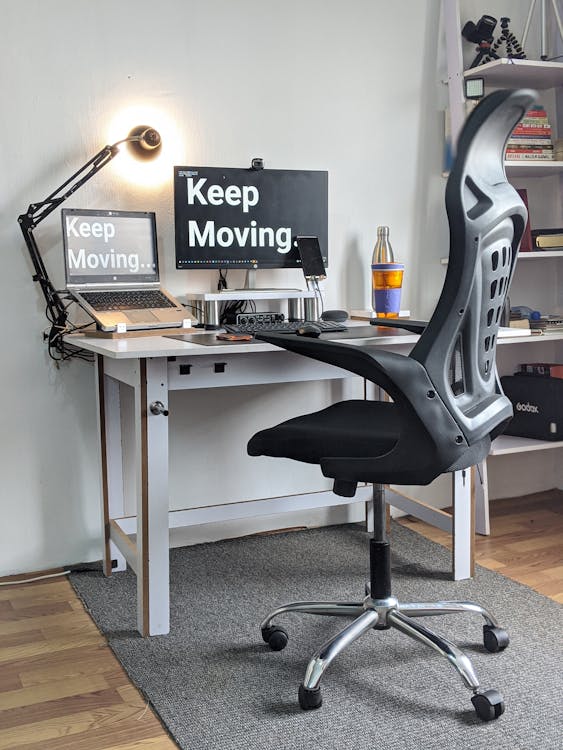
(Source: Pexels)
In India, ergonomic design makes things easy and comfortable for people at work or home. Instead of forcing people to adjust to uncomfortable setups, office ergonomics try to fit the needs of the individuals using them.
The main goal is to improve the workspace and reduce the chances of getting hurt. It’s like creating a beautiful painting where everything works together in harmony. By focusing on what people need, ergonomically designed workspaces help make work life better and more enjoyable, preventing pains or injuries. It’s like a thoughtful gift for everyone to feel happy and relaxed while they do their tasks.
Let’s explore how incorporating ergonomics into the workplace can enhance your office employees’ performance and well-being. But first, let’s get into the details of it.
What is an Ergonomic Workspace?
Ergonomics, the science of optimising workplace settings for utmost comfort, is vital in reducing discomfort, elevating productivity, and fostering efficiency.
Consider the angle of your computer monitor and the height of your desk—are your wrists strained from daily typing, or do your eyes ache from prolonged screen exposure?
Embracing a deeper understanding of ergonomics empowers individuals to prevent workplace injuries and chronic pains simply by customising their work environment to suit their needs.
Central to ergonomics is the emphasis on posture, offering a shield against the long-term consequences of repetitive movements. With the pervasive use of computers and the rapid evolution of technology, the relevance of an ergonomic workspace has become undeniable for everyone.
Top 4 Benefits of Having an Ergonomic Workspace in 2023

(Source: Pexels)
Prominent Office Interior Designers in India know the significance of an ergonomic workspace has never been more pronounced. With an ever-increasing reliance on technology and an evolving work culture in 2023, optimising your work environments to prioritise comfort, health, and productivity has become a necessity rather than a luxury. Let’s explore the top four benefits of having an ergonomic workspace.
- Enhanced Physical Well-being
At the heart of ergonomic design lies the aspiration to safeguard the physical health of individuals. By implementing ergonomic principles in your workspace, you can significantly reduce the risk of musculoskeletal disorders (MSDs) and repetitive strain injuries (RSIs).
Simple adjustments like adjusting the chair height, positioning the computer monitor at eye level, and using an ergonomic keyboard and mouse can alleviate stress on the neck, back, and wrists. In 2023, where sedentary work and long hours at the computer are prevalent, creating an ergonomic workspace helps combat the adverse effects of prolonged sitting.
- Boosted Productivity and Efficiency
An ergonomic workspace isn’t just about being comfortable; it’s also about enhancing efficiency. When employees feel physically at ease, they can channel their energy into their work without distractions caused by discomfort or pain.
With fewer disruptions and fatigue, employees can maintain focus for more extended periods and deliver higher-quality outputs. Furthermore, an ergonomic setup ensures that essential tools and materials are within easy reach, reducing the need for constant adjustments and minimising time wastage.
- Mental Well-being and Job Satisfaction
In the fast-paced world of 2023, fostering mental well-being has become a top priority for businesses. An ergonomic workspace promotes a positive work atmosphere that nurtures employee satisfaction and happiness.
By addressing physical discomfort and encouraging healthy work practices, employees experience reduced stress and anxiety levels. The absence of chronic pain and discomfort allows individuals to concentrate on their work, fostering a sense of accomplishment and fulfilment.
- Long-Term Cost Savings
In 2023, where remote work is more prevalent, creating an ergonomic office environment is equally crucial. Employers who offer ergonomic workstations demonstrate care for their employees’ well-being, strengthening their commitment to the organisation.
Also, investing in an ergonomic workspace yields long-term cost savings for employees and employers. While setting up an ergonomic workspace may require initial investments in ergonomic furniture and equipment, the potential savings from preventing workplace injuries and health-related issues far outweigh the upfront expenses.
Top 3 Elements of an Ergonomic Workspace
The top three elements essential to creating an ergonomic workspace are discussed below:
- Ergonomic Furniture
The foundation of an ergonomic workspace begins with the right furniture. An adjustable chair with proper lumbar support and customisable height ensures optimal posture, reducing the risk of back pain and discomfort.
Similarly, a height-adjustable desk allows individuals to alternate between sitting and standing, promoting better blood circulation and preventing prolonged sitting-related health issues. Additionally, ergonomic accessories like footrests and keyboard trays help maintain natural body alignment, enhancing overall comfort.
- Proper Equipment Placement
The arrangement of equipment is crucial to an ergonomic workspace. The computer monitor should be positioned at eye level, maintaining a neutral neck position to avoid strain. Placing the mouse and keyboard simultaneously prevents unnecessary reaching and supports a relaxed arm posture.
An ergonomic keyboard with a split design and wrist support can minimise wrist strain and reduce the risk of repetitive strain injuries (RSIs). Ensuring that frequently used items are within arm’s reach minimises unnecessary movements, enhancing efficiency and productivity.
- Task-Specific Considerations
Tailoring the workspace to specific tasks is critical to optimising ergonomics. For those who spend long hours typing, a well-padded wrist rest and a keyboard with adjustable tilt can alleviate wrist pressure. Task lighting should be appropriately placed to reduce eye strain and glare.
For employees who engage in phone conversations, a headset with a comfortable fit can prevent neck strain caused by cradling the phone between the head and shoulder. Ergonomic footrests can aid individuals with circulation issues or short stature.
Conclusion
An ergonomic workspace in 2023 is not just an option but a necessity for individuals and organisations alike. The benefits are far-reaching and profound, from promoting physical well-being and boosting productivity to fostering mental well-being and future readiness.
As we move forward into the future, creating an ergonomic workspace should be a priority for everyone who seeks to excel, thrive, and find balance in the dynamic world of work. Don’t you agree? So, why wait? Contact the best Office Interior Designers today to get started!
 Home Designs Tips